

In today’s digital age, the healthcare sector is increasingly reliant on technology to manage patient data, streamline operations, and enhance patient care. However, this digital transformation comes with significant risks, particularly in the realm of cybersecurity. As healthcare organizations adopt electronic health records (EHRs), telehealth services, and interconnected medical devices, they become prime targets for cybercriminals. In this blog, we will explore the pressing cybersecurity problems facing the healthcare industry, the implications of these threats, and the solutions available to mitigate risks.
The Rising Threat Landscape
Cybersecurity threats in healthcare are on the rise, with data breaches, ransomware attacks, and phishing schemes becoming alarmingly common. According to recent reports, healthcare organizations are three times more likely to experience a data breach than other industries. The sensitive nature of health information makes it a lucrative target for cybercriminals, who can sell stolen data on the dark web or use it for identity theft.
Key Cybersecurity Challenges
- Data Breaches: The unauthorized access and theft of patient data can lead to severe consequences, including financial loss, reputational damage, and legal repercussions. High-profile breaches have exposed millions of patient records, highlighting the vulnerabilities in healthcare systems.
- Ransomware Attacks: Ransomware has emerged as one of the most significant threats to healthcare organizations. Cybercriminals encrypt critical data and demand a ransom for its release, often paralyzing healthcare operations and putting patient care at risk.
- Insider Threats: Not all threats come from external sources. Insider threats, whether intentional or accidental, can compromise sensitive data. Employees may inadvertently expose data through phishing attacks or may misuse their access to information.
- Inadequate Security Measures: Many healthcare organizations struggle with outdated technology and insufficient cybersecurity protocols. Limited budgets and a lack of cybersecurity expertise can hinder the implementation of robust security measures.
The Importance of Cybersecurity in Healthcare
The implications of cybersecurity breaches in healthcare extend beyond financial loss. Patient safety is at stake, as compromised systems can disrupt critical services, delay treatments, and jeopardize patient outcomes. Moreover, healthcare organizations face regulatory scrutiny and potential fines for failing to protect patient data, particularly under regulations like the Health Insurance Portability and Accountability Act (HIPAA).
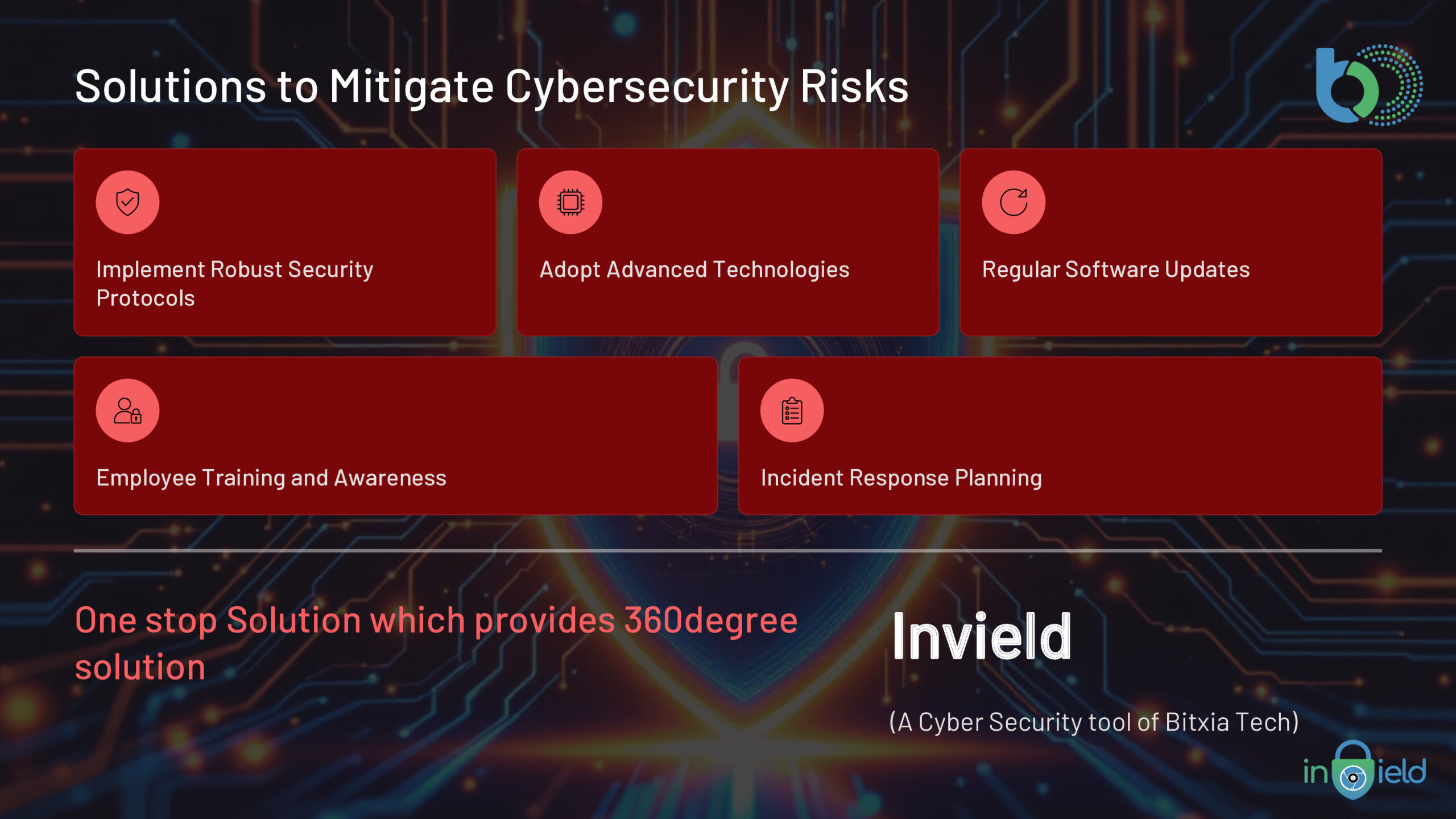
Solutions to Mitigate Cybersecurity Risks
To combat the growing cybersecurity threats, healthcare organizations must adopt a multi-faceted approach to security. Here are some key strategies:
- Implement Robust Security Protocols: Organizations should invest in comprehensive cybersecurity solutions, including firewalls, encryption, and intrusion detection systems. Regular security assessments and audits can help identify vulnerabilities.
- Employee Training and Awareness: Educating staff about cybersecurity best practices is crucial. Regular training sessions can help employees recognize phishing attempts and understand the importance of safeguarding patient data.
- Incident Response Planning: Developing a well-defined incident response plan can help organizations respond quickly and effectively to cyber incidents. This plan should outline roles, responsibilities, and communication strategies during a breach.
- Adopt Advanced Technologies: Leveraging artificial intelligence (AI) and machine learning can enhance threat detection and response capabilities. These technologies can analyze patterns and identify anomalies in real-time, allowing for quicker responses to potential threats.
- Regular Software Updates: Keeping software and systems up to date is essential for protecting against known vulnerabilities. Organizations should establish a routine for applying patches and updates to their systems.
The Future of Healthcare Cybersecurity
As the healthcare landscape continues to evolve, so too will the cybersecurity challenges it faces. The increasing adoption of telehealth services,
Internet of Things (IoT) devices, and cloud computing will create new vulnerabilities that cybercriminals will seek to exploit. Therefore, healthcare
organizations must remain vigilant and proactive in their cybersecurity efforts.
In conclusion, the importance of cybersecurity in healthcare cannot be overstated. As cyber threats continue to grow in sophistication and frequency, healthcare organizations must prioritize the protection of patient data and the integrity of their systems. By implementing robust security measures, fostering a culture of awareness, and leveraging advanced technologies, the healthcare sector can better safeguard against the ever-evolving landscape of cyber threats. The health and safety of patients depend on it.